Hyundai i10 : Hyundai’s Grand i10 Nios remains a go-to choice for city drivers in India, blending practicality with fresh tweaks amid a shifting market. As we hit March 2026, recent brochure changes signal Hyundai’s fine-tuning for better appeal.
Quiet 2026 Refresh Hits Dealerships
Hyundai slipped in several updates to the Grand i10 Nios without much fanfare, tweaking the lineup via a new brochure that dealers are already referencing.
The base Era petrol-manual saw a modest price bump of about Rs 7,722 ex-showroom, pushing entry costs slightly higher while streamlining options.
Key shake-ups include axing the Magna AMT, the cheapest automatic at Rs 6.85 lakh, forcing buyers toward the pricier Corporate AMT around Rs 7.12 lakh—a Rs 27,000 jump that nudges folks into mid-spec convenience.
Higher SX(O) Connect variants ditched petrol-manual combos, sticking to AMT for a more effortless urban vibe, and CNG now runs solely on dual-cylinder tanks for superior boot space and balance, though at a Rs 7,700 premium over the old single-cylinder setup.
These moves reflect Hyundai prioritizing reliability and user-friendliness over bargain-basement choices, especially as fleet models like the Prime HB retain some phased-out configs.
Powertrain and Specs Hold Strong
At its core, the Nios packs a familiar 1.2-litre Kappa petrol engine churning 82bhp at 6,000rpm and 113.8Nm at 4,000rpm, paired with a 5-speed manual or AMT—refined enough for stop-go traffic without drama.
Also Read: Tata Tiago Modern features hatchback comes with 1199cc engine, price is under budget
ARAI claims hover at 16-18kmpl for petrol, dipping to real-world mid-teens in cities, while CNG variants shine for cost-conscious commuters.
Dimensions stay city-smart: 3,815mm long, 1,680mm wide, with 165mm ground clearance and a 260-litre boot that swallows weekend bags easily.
Safety gets a nod with standard dual airbags, ABS, and six bags on top trims, plus ISOFIX and TPMS—solid for the segment.
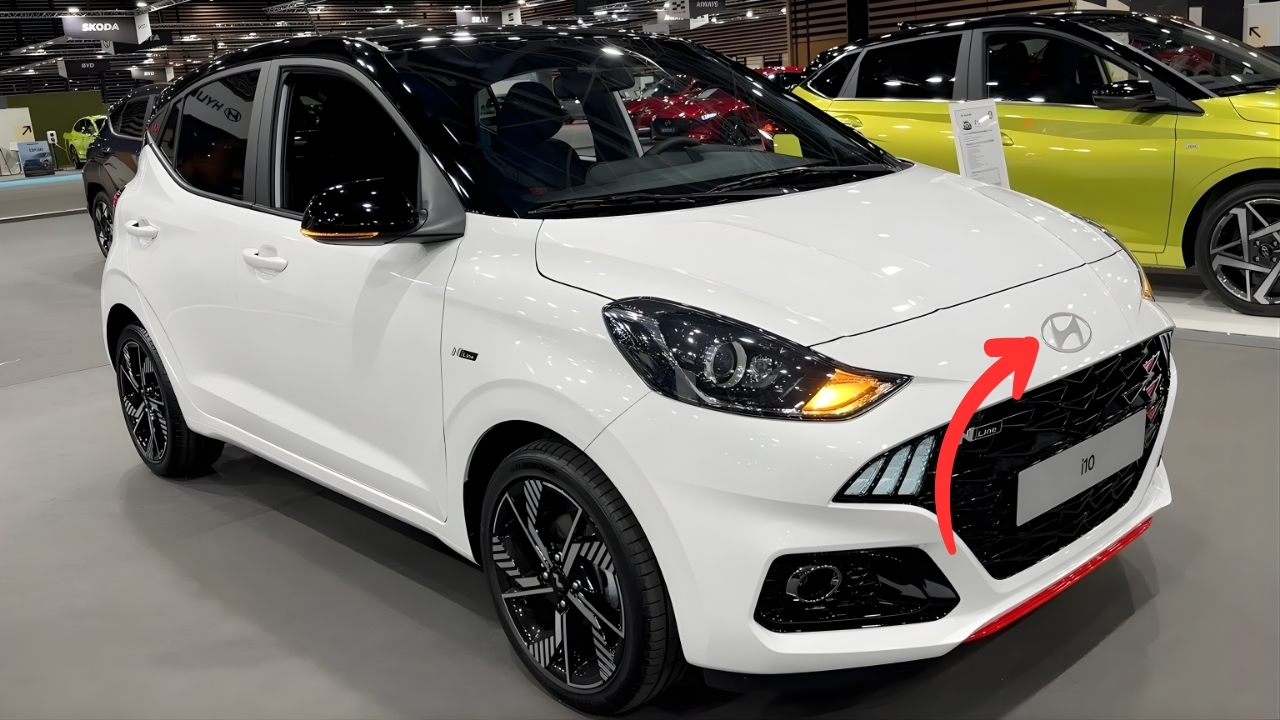
New Sportz (O) Packs Punch
January’s lineup refresh introduced the Sportz (O) MT and AMT with the 1.2-petrol, boasting 15-inch diamond-cut alloys, chrome handles, an 8-inch touchscreen with wireless Android Auto/Apple CarPlay, auto AC, and smart key entry. It’s a sweet spot for young buyers craving features without breaking Rs 8.62 lakh ex-showroom.
Owners rave about the spacious cabin despite compact size—rear vents and comfy seats make family runs tolerable, though it’s no highway hauler.
Also Read: Oppo Find X9 Media tek dimensity 9500 processor smartphone with 16GB RAM, 7000mAh battery
Light steering and compliant suspension soak up potholes, ideal for Chandigarh’s bustling streets or similar urban mazes.
Sales Bounce Back Amid Competition
After a sluggish end to 2025 (4,010 units in December), January 2026 sales surged 48% month-on-month to 7,710 units, bucking broader trends in the hatchback scrum.
Hyundai credits CNG demand and discounts, though rivals like Swift and Tiago nip at heels with better efficiency claims.
Pricing spans Rs 5.55-8.95 lakh ex-showroom, on-road around Rs 6.57-9.30 lakh in metros—value-packed against Maruti’s swarm. Service costs average Rs 2,944 yearly over five years, with Hyundai’s network ensuring hassle-free upkeep.
What’s Next for Nios in India?
While Europe bid adieu to the i10 for electric Inster, India’s Nios marches on, with a next-gen model eyed by 2027 alongside Venue refresh—possibly electrified to chase green mandates.
Expect bolder looks, maybe hybrid assists, but the current facelift’s LED DRLs, cruise control, and Type-C ports keep it fresh.
Also Read: Tecno Spark 40 120Hz HD display smartphone with 50MP main camera and 5200mAh battery
Critics note low rear seats and tame dynamics hold it back from fun, yet for daily grinds, refinement wins. In a SUV-crazy market, Nios proves hatches endure for smart urbanites.
Hyundai i10 : Why It Still Makes Sense Today
Budget buyers snag basics from Era at Rs 6.57 lakh on-road; families opt Asta for bells like rear camera and alloys.
Fuel flexibility—CNG dual-tank or E20 petrol—suits rising costs, and resale holds firm thanks to Hyundai’s rep.
Also Read This : Realme 16 5G Slim design smartphone comes with 7000mAH battery, camera is 50MP
Test drives confirm: it’s unexciting but utterly dependable, perfect for new drivers or fleets. As March 2026 unfolds, these tweaks cement Nios as Hyundai’s urban anchor, sales climbing despite whispers of bolder successors.